Curators
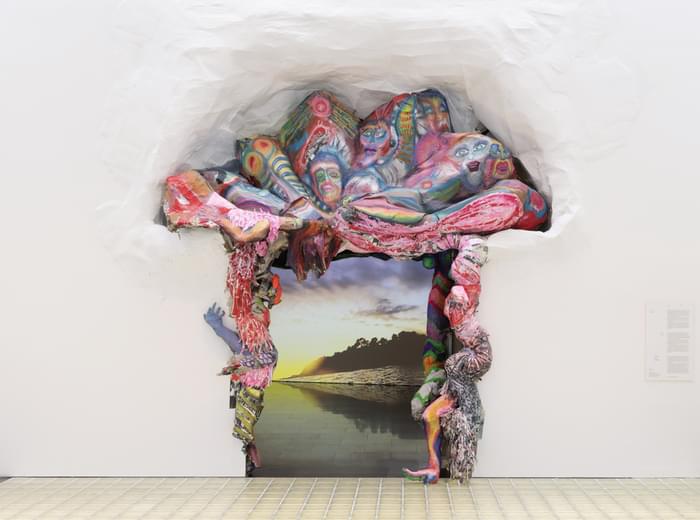
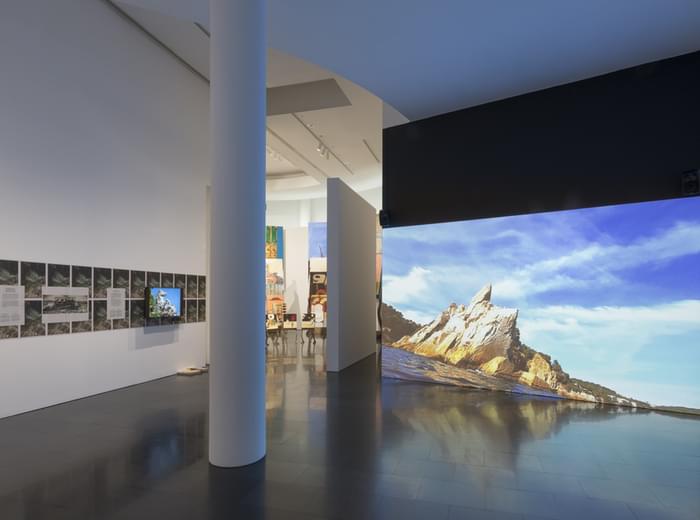
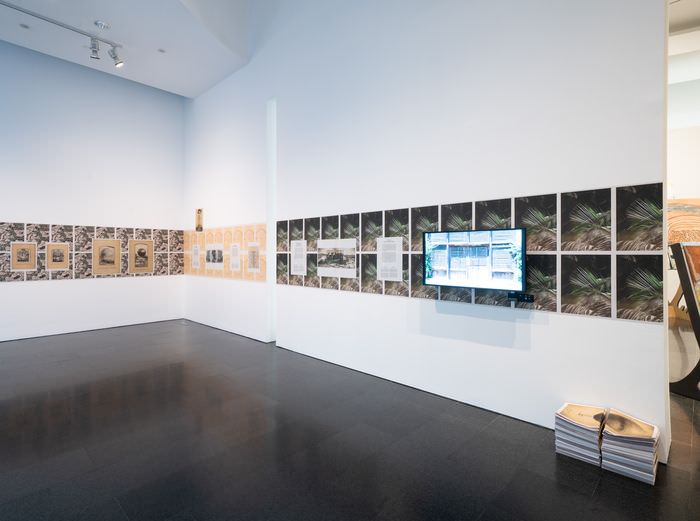
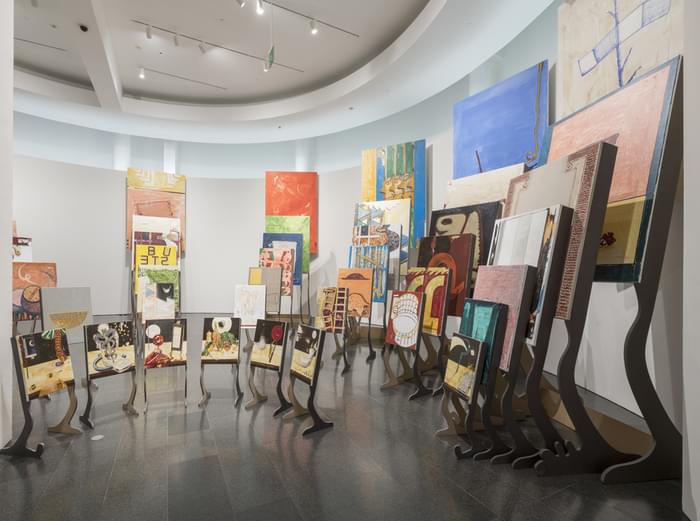
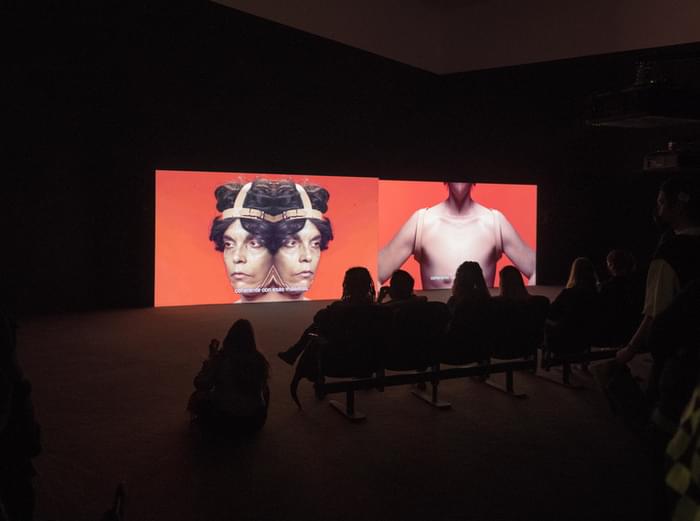
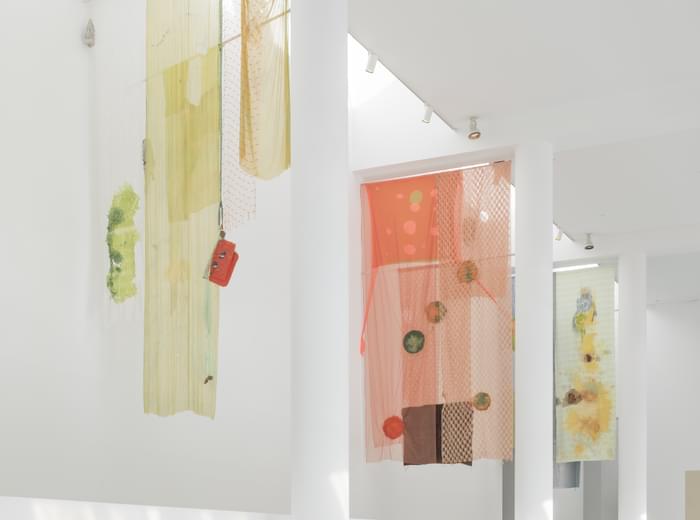
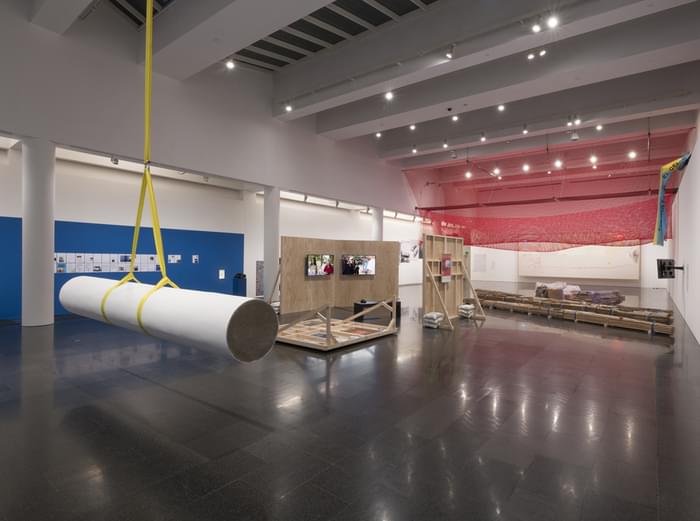
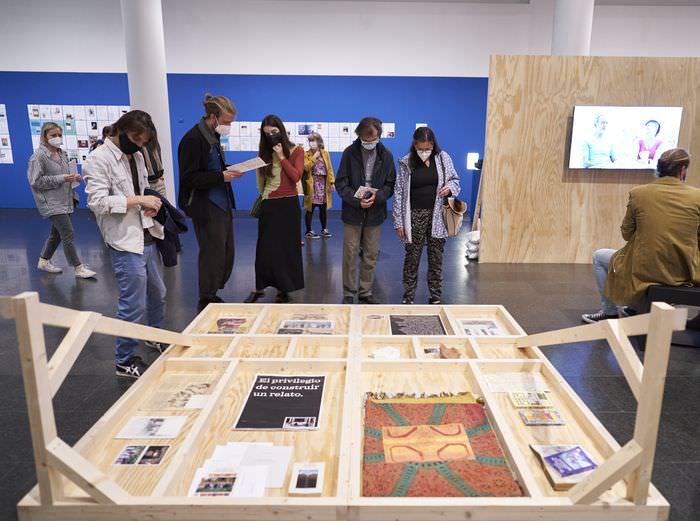
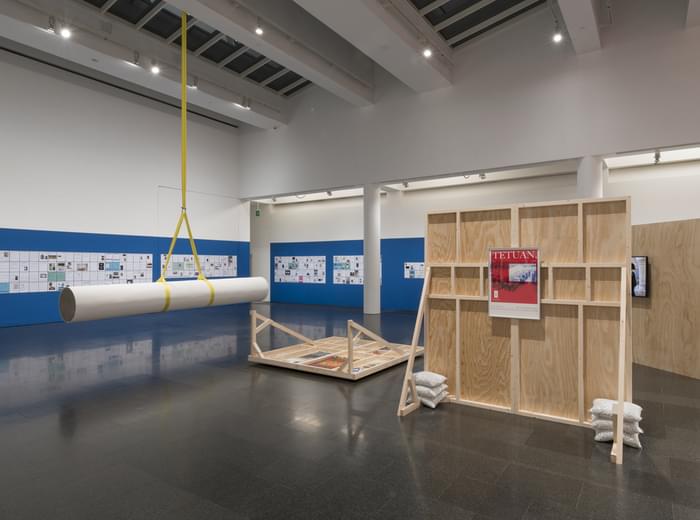
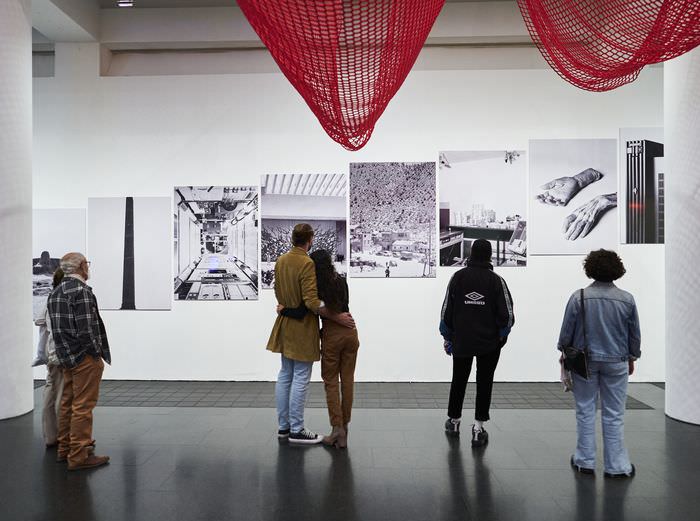
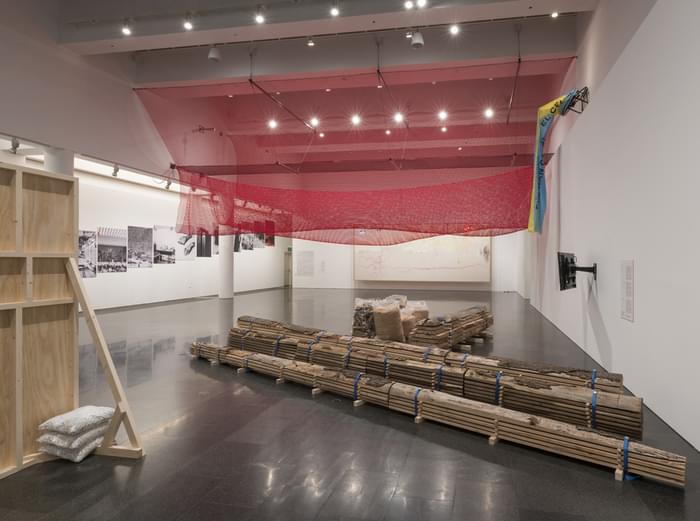
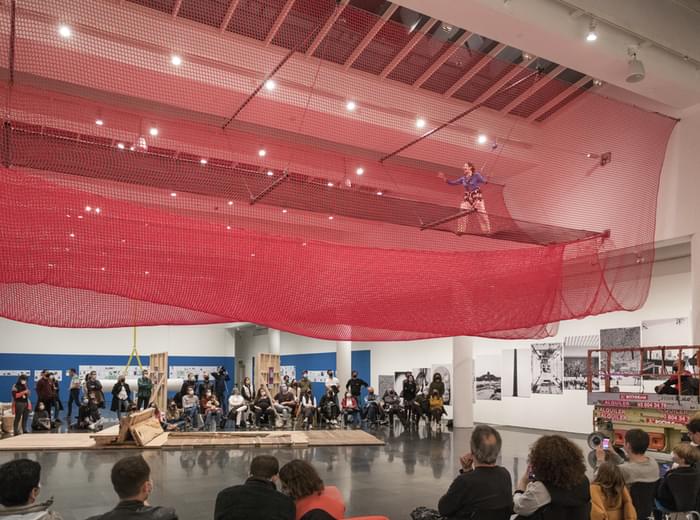
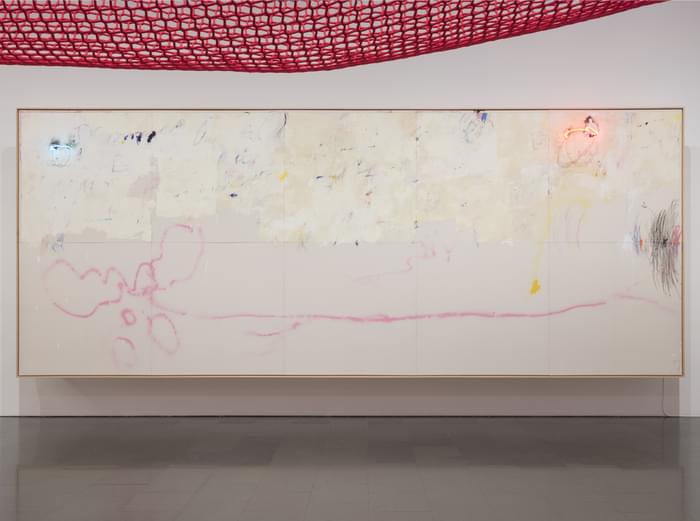
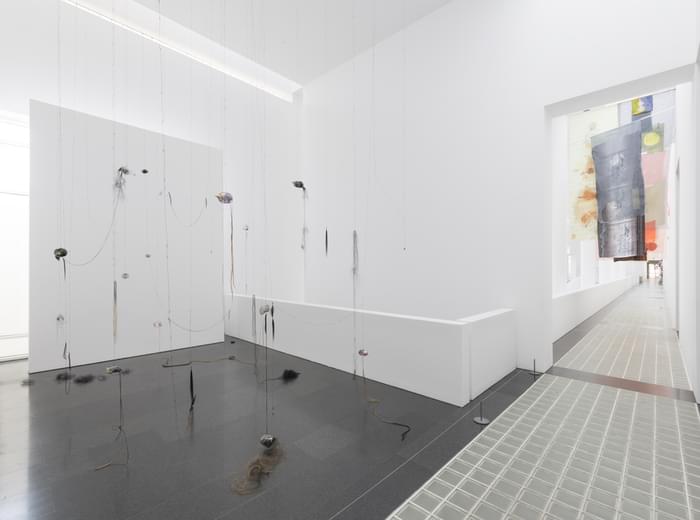
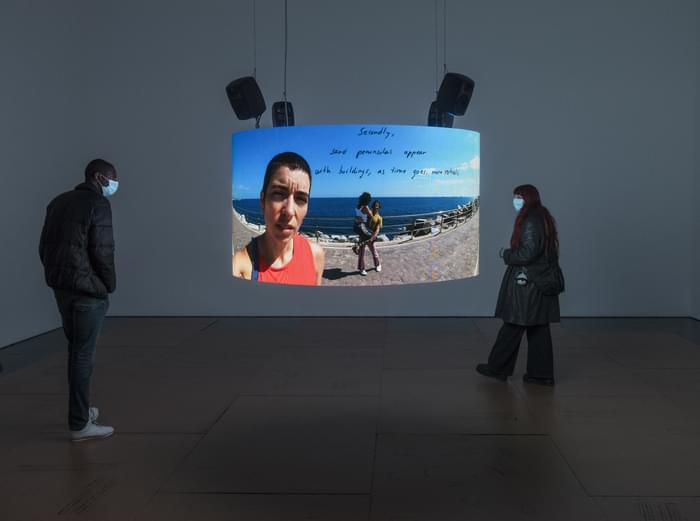
Panorama 21. Notes for an Eye Fire
Museu d’Art Contemporani de Barcelona (MACBA), Barcelona, 22 October 2021–27 February 2022
Museu d'Art Contemporani de Barcelona (MACBA)
Plaça dels Àngels 1
08001 Barcelona
www.macba.cat
#PanoramaMACBA #macbaBCN
#apuntsperaunincendidelsulls
Plaça dels Àngels 1
08001 Barcelona
www.macba.cat
#PanoramaMACBA #macbaBCN
#apuntsperaunincendidelsulls
Gemma Planell
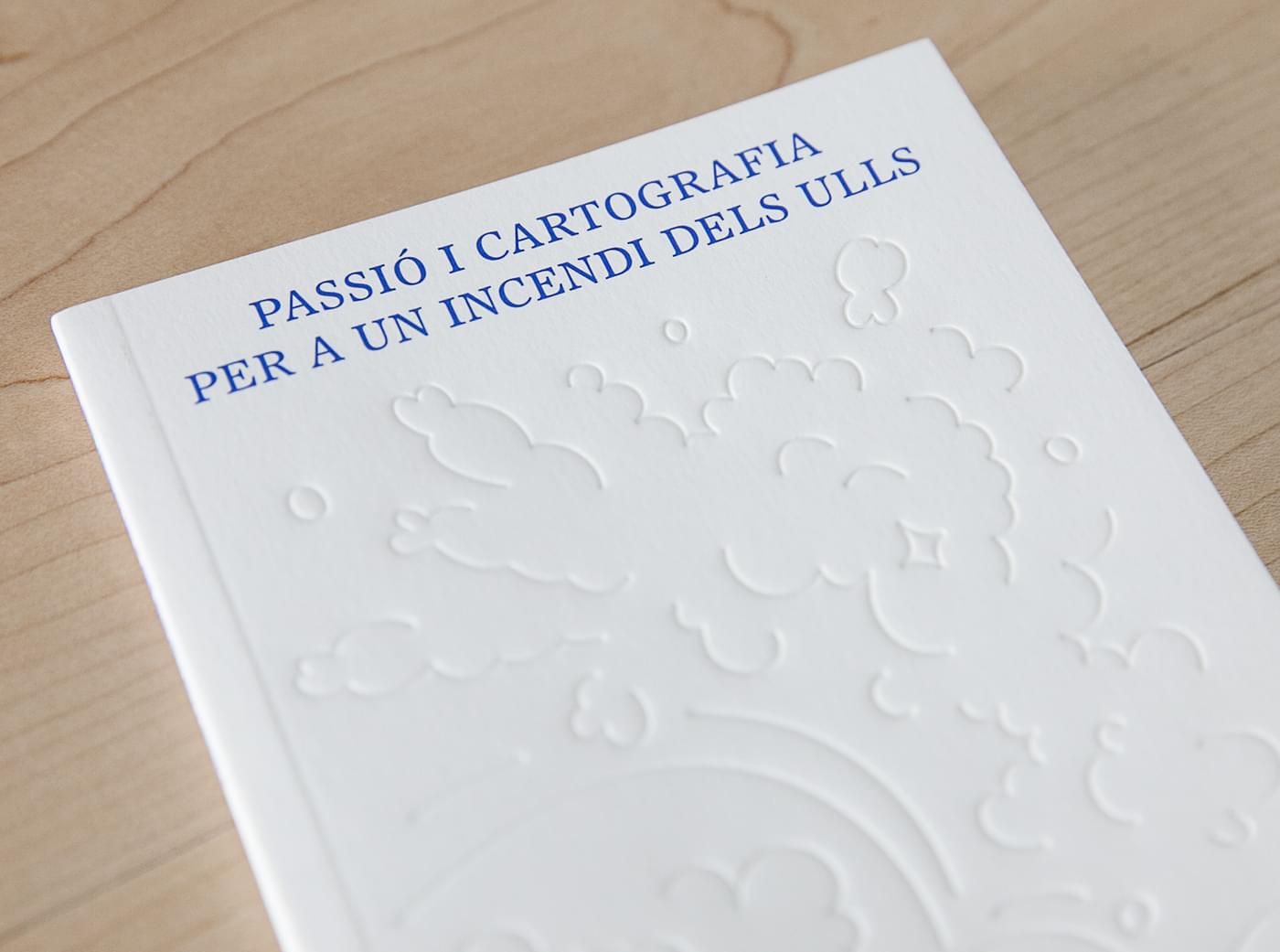
“Passió i cartografia per a un incendi dels ulls” (Passion and Cartography for an Eye Fire)
Poem by: Gabriel Ventura
Publisher: MACBA Museu d’Art Contemporani de Barcelona
Graphic design: Ana Dominguez Studio
Format: 17 × 11.5 cm, 52 pages, softcover / PDF
Language: Catalan
Print-run: 300 copies
ISBN 978-84-17593-22-3
Date of Publication: February 2022
Price: 15 Euros
Availability: Llibreria Laie, Llibreria Finestres
Poem by: Gabriel Ventura
Publisher: MACBA Museu d’Art Contemporani de Barcelona
Graphic design: Ana Dominguez Studio
Format: 17 × 11.5 cm, 52 pages, softcover / PDF
Language: Catalan
Print-run: 300 copies
ISBN 978-84-17593-22-3
Date of Publication: February 2022
Price: 15 Euros
Availability: Llibreria Laie, Llibreria Finestres
Every Sunday, 12pm:
Guided tour of the exhibition by pli-é collective.
3 November 2021, 6:30pm:
Visit of the exhibition exclusive to Amics del MACBA, with the curators of the exhibition.
18 November 2021, 6:30pm:
Let's talk about…Notes for Notes, with the curators of the exhibition.
20 November 2021, 6:30pm:
Open rehearsal of Ocells perduts by Laia Estruch.
2 December 2021, 6:30pm:
Let's talk about…Cabaret with Antoni Hervàs. Walk from the museum to Teatre Arnau.
9 December 2021, 6 and 6:45pm:
Let's talk about…Anecdotes to be Forgotten, a performative walkthrough by Arash Fayez.
18 December 2021, 6:30pm:
Open rehearsal of Ocells perduts by Laia Estruch.
13 January 2022, 6pm:
Let's talk about…Passió i cartografía per a un incendi dels ulls, sung guided tour by Gabriel Ventura and Pere Martínez.
29 January 2022, 10am:
Systematurgy of A quatre potes (On Four Legs) Open discussion in the museum galleries with nyamnyam, Pedro Pineda, Lídia Guitart, Curro Claret, Ingrid Guardiola, and workshop participants.
29 January 2022, 6:30pm:
Open rehearsal of Ocells perduts by Laia Estruch.
26 February 2022, 6:30pm:
Open rehearsal of Ocells perduts by Laia Estruch.
Organised and produced by MACBA Museu d'Art Contemporani de Barcelona.
Supported by the Danish Arts Foundation; ELAMOR; Fuji and Dinasa; PUBLICS.
Guided tour of the exhibition by pli-é collective.
3 November 2021, 6:30pm:
Visit of the exhibition exclusive to Amics del MACBA, with the curators of the exhibition.
18 November 2021, 6:30pm:
Let's talk about…Notes for Notes, with the curators of the exhibition.
20 November 2021, 6:30pm:
Open rehearsal of Ocells perduts by Laia Estruch.
2 December 2021, 6:30pm:
Let's talk about…Cabaret with Antoni Hervàs. Walk from the museum to Teatre Arnau.
9 December 2021, 6 and 6:45pm:
Let's talk about…Anecdotes to be Forgotten, a performative walkthrough by Arash Fayez.
18 December 2021, 6:30pm:
Open rehearsal of Ocells perduts by Laia Estruch.
13 January 2022, 6pm:
Let's talk about…Passió i cartografía per a un incendi dels ulls, sung guided tour by Gabriel Ventura and Pere Martínez.
29 January 2022, 10am:
Systematurgy of A quatre potes (On Four Legs) Open discussion in the museum galleries with nyamnyam, Pedro Pineda, Lídia Guitart, Curro Claret, Ingrid Guardiola, and workshop participants.
29 January 2022, 6:30pm:
Open rehearsal of Ocells perduts by Laia Estruch.
26 February 2022, 6:30pm:
Open rehearsal of Ocells perduts by Laia Estruch.
Organised and produced by MACBA Museu d'Art Contemporani de Barcelona.
Supported by the Danish Arts Foundation; ELAMOR; Fuji and Dinasa; PUBLICS.
Archives
- Cover Story – January 2023: Claudia Pagès’ ‘Gerundi Circular’, 2 Jan 2023
- Longitudes – Panorama traces, a year on, 21 Oct 2022
- Out of Office – Latitudes’ "out of office" 2021–22 season, 1 August 2022
- News – Panorama in Madrid and Córdoba, 14 June 2022
- Reseña – “Las hazañas del hombre blanco, a debate” Analía Iglesias, El País, Blogs/Planeta Futuro, 24 Febrero 2022
- Publicación – Nueva publicación: “Passió i cartografia per a un incendi dels ulls”, 2 marzo 2022
- Cover Story – March 2022: The passion of Gabriel Ventura, 1 March 2022
- Reseñas – Cobertura en los medios sobre la exposición “Panorama 21. Apunts per a un incendi dels ulls” en el MACBA, 21 febrero 2022
- Review – "'Schreber is a Woman’ video installation brings life to queer history", Winter Hawk, The Diamond Back, 9 February 2022
- Televisió – Entrevista a Laia Estruch, Quan arribin els marcians, TV3, entre 10:20–13:03min, 8 febrer 2022
- Cover Story – February 2022: Rosa Tharrats’ Textile Alchemy, 1 February 2022
- Reseña – "Un incendio que no arde", Bernat Dedéu, The New Barcelona Post, 15 enero 2022
- Televisió – “Toni Hervàs conquista el CCCB i el MACBA”, 4:46min, àrtic, betevé.cat, 21 gener 2022
- Reseña – “Deseos y derrumbes”, Maite Garbayo Maeztu, Tea-tron.com, 13 enero 2022
- Ressenya – “Ens han robat el cel a mig vol”, Alba Mas-Sala, núvol.com, 7 gener 2022
- Cover Story – January 2022: “Rasmus’ Doubts”, 2 January 2022
- Ressenya – “Rosa Tharrats eixampla significats al MACBA”, Berta Galofré Claret, nuvol.com, 29 desembre 2021
- Ressenya – “El que els ulls no veuen”, Ángela Molina, Quadern, El País, 9 desembre 2021
- Cover Story – December 2021: Between Meier and Meller: Toni and Pau at the Teatre Arnau, 1 December 2021
- Televisió – Àrtic, Josep París, betevé, entre minuts 16'14''–24'36'', 29 novembre 2021
- Televisió – Antoni Hervàs, ”Les vedettes del s. XXI”, Quan arribin els marcians, TV3, entre minuts 11'27''–14'11'', 22 novembre 2021
- Longitudes – Programa público de “Apuntes para un incendio de los ojos”, 15 noviembre 2021
- Cover Story – November 2021: Notes for an Eye Fire, 2 November 2021
- Radio – Avui sortim, amb Marc Hernández, Hiuwai Chu, Gabriel Ventura i Rasmus Nilausen, Ràdio 4, rtve.es, 24'56'', 29 octubre 2021
- Radio – El Ojo Crítico, entre 30'19''–21'57'', rtve.es, 27 octubre 2021
- Reseña – “El Macba visibiliza a artistas emergentes y arraigados en Barcelona”, Laura Zapater, El Periódico de Catalunya, 22 octubre 2021
- Ressenya – “Panorama 21: incendiar-se per renéixer”, Gisela Chillida Espinosa, El Temps de les Arts, 22 octubre 2021
- Ressenya – "Radiografia artística en 360º", Montse Frisach, Catorze.cat, 21 octubre 2021
- Reseña – "El arte contemporáneo del MACBA enciende los ojos", Juan Pedro Chuet-Missé, Tendencias hoy, 21 octubre 2021
- Reseña – "El Macba refuerza el diálogo con la creación local y actual con la primera edición de Panorama", ABC, 21 octubre 2021
- Televisió – “L'escena artística local entra al MACBA”, Telenotícies vespre, TV3, 2'08'', 21 octubre 2021
- Ressenya – "El Macba rep l’energia de l’escena local", Maria Palau, El Punt avui, 21 octubre 2021
- Longitudes – Opening of the exhibition "Notes for an Eye Fire", 21 October 2021
- Reseña – "El MACBA abre la serie "Panorama" con una exposición de 17 propuestas artísticas", El Diario, 20 octubre 2021
- Reseña – "El Macba toma el pulso al arte de Barcelona", José Ángel Montañés, El País, 20 octubre 2021
- Reseña – "El Macba evoca el nuevo panorama artístico a través de 17 propuestas emergentes", Josep Playà Maset, La Vanguardia, 20 octubre 2021
- Roda de premsa – Atri del MACBA, 43'24'', 20 octubre 2021
- Longitudes – Out of office: wrap up of the 2020-21 season, 2 August 2021
- Nota de prensa – Panorama 21, 1 Julio 2021
- Longitudes – Participants announced of MACBA's “Panorama 21. Notes for an Eye Fire”, 1 July 2021
- Longitudes – Press Release: “Panorama 21: Notes For An Eye Fire”, 9 febrero 2021
- Nota de prensa – Programa Exposiciones MACBA 2021–22