La Capella
c. Hospital, 56
08001 Barcelona
Spain
http://lacapella.barcelona/ca
@lacapellabcn #BarcelonaProducció
c. Hospital, 56
08001 Barcelona
Spain
http://lacapella.barcelona/ca
@lacapellabcn #BarcelonaProducció
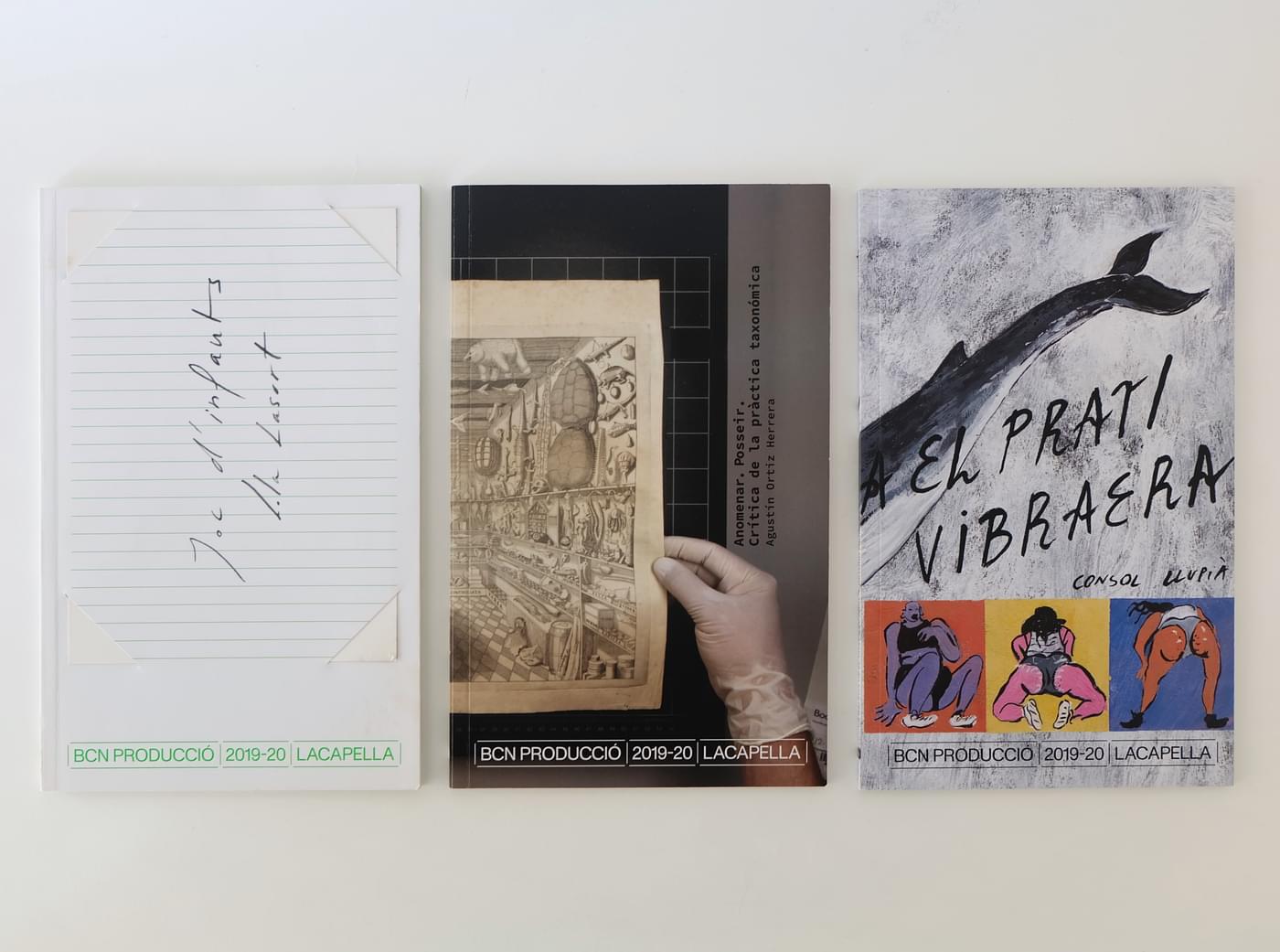
Project publications
Publisher: The Flames and Institut de Cultura of the Ajuntament de Barcelona;
Graphic Design: Carles Murillo; Priscilla Clementti; Wallace Masuko; Folch (of the collection);
Format: 24 x 15 cm;
Languages: Catalan, Spanish, English;
Date of publication: 2019–21
Publisher: The Flames and Institut de Cultura of the Ajuntament de Barcelona;
Graphic Design: Carles Murillo; Priscilla Clementti; Wallace Masuko; Folch (of the collection);
Format: 24 x 15 cm;
Languages: Catalan, Spanish, English;
Date of publication: 2019–21
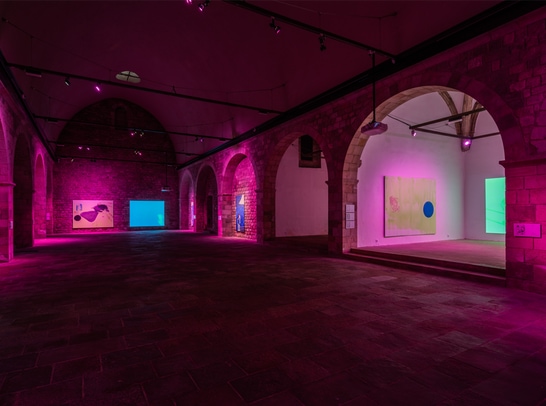
Exhibitions in La Capella:
7, 8 and 9 November 2019
Live art projects by Laura Torres, Nieves Correa and Adrià Aparicio.
3 December 2019—16 February 2020
Solo show by Martín Llavaneras.
10 March—31 May 2020 (extended until 12 July)
Solo show by Pere Llobera.
21 July—27 September 2020
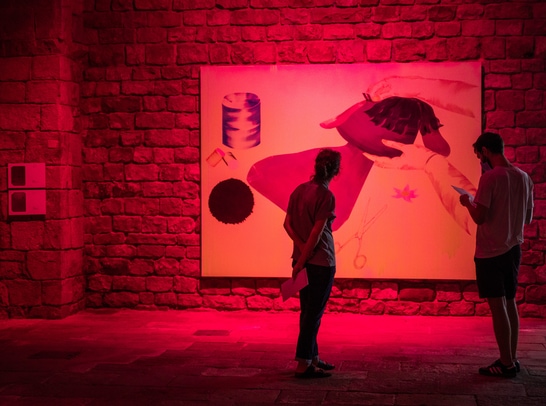
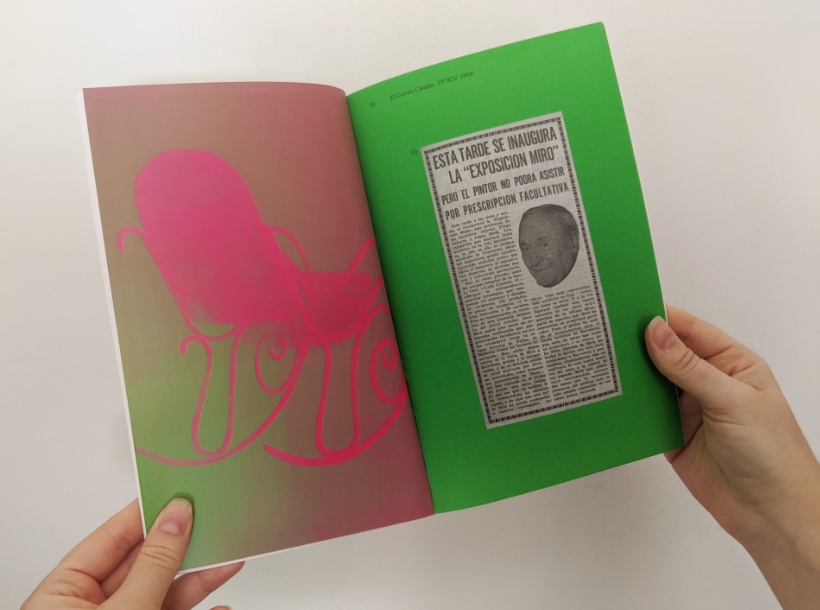
Solo show by Lola Lasurt.
13 October 2020—10 January 2021
Curatorial project by Caterina Almirall.
Non-exhibition projects:
Off-site projects by SITE SIZE (Elvira Pujol and Joan Vila Puig) and Consol Llupià.
Research projects by Marc O'Callaghan and Agustín Ortiz Herrera.
Publication project by Cloe Masotta.
Transdisciplinary creation and digital media projects by Guim Camps and Daniel Moreno.
Year-long Education and Mediation project by Jordi Ferreiro.
Produced by La Capella, Barcelona Culture Institute of the Barcelona City Council.
7, 8 and 9 November 2019
Live art projects by Laura Torres, Nieves Correa and Adrià Aparicio.
3 December 2019—16 February 2020
Solo show by Martín Llavaneras.
10 March—31 May 2020 (extended until 12 July)
Solo show by Pere Llobera.
21 July—27 September 2020
Solo show by Lola Lasurt.
13 October 2020—10 January 2021
Curatorial project by Caterina Almirall.
Non-exhibition projects:
Off-site projects by SITE SIZE (Elvira Pujol and Joan Vila Puig) and Consol Llupià.
Research projects by Marc O'Callaghan and Agustín Ortiz Herrera.
Publication project by Cloe Masotta.
Transdisciplinary creation and digital media projects by Guim Camps and Daniel Moreno.
Year-long Education and Mediation project by Jordi Ferreiro.
Produced by La Capella, Barcelona Culture Institute of the Barcelona City Council.
Archives
- Longitudes – Research project by Agustín Ortiz Herrera, 21 October 2020
- Entrevista – “El canvi hauria de ser posar la vida al centre de tot”, Maria Palau, elpuntavui.cat, 14 setembre 2020
- Longitudes – 15 septiembre 2020, 19h: Charla entre Rosa Maria Subirana Torrent y Lola Lasurt, 10 septiembre 2020
- Cover Story – September 2020: States of emergency. Lola Lasurt’s ‘Children’s Game’, 1 September 2020
- Out of Office – Latitudes’ “Out of office”: wrap up of the 2019–20 season, 3 August 2020
- Ressenya exposició – ‘Lola Lasurt i la lactància democràtica’, Clàudia Rius, nuvol.com, 22 juliol 2020
- Ressenya exposició – ‘¿Qué tienen en común Miró, la novia de Copito de Nieve y el doctor Winnicott?’, Teresa Sesé, La Vanguardia, 22 juliol 2020
- Agenda cultural – ‘Lola Lasurt. Joc d'infants’, Time Out Barcelona, 28 juliol 2020
- Longitudes – Exposición ‘Juego de niños’ de Lola Lasurt, 13 julio 2020
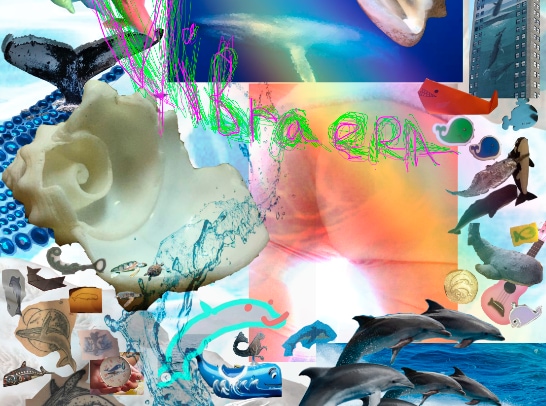
- Longitudes – Proyecto deslocalizado ‘La Ballena de El Prat a El Prat / Retorno: Vibraera’ de Consol Llupià, 19 mayo 2020
- Cover Story – March-April 2020: The Bolós Cabinet, 3 March 2020
- Out of Office – Latitudes' “out of office”: wrap up of the 2018–2019 season, 1 August 2019
- Noticias – Jurado y tutoría de Barcelona Producció 2019–2020: Proyectos ganadores, 3 junio 2019